
Integrative Psychiatry and Psychotherapy
My Philosophy
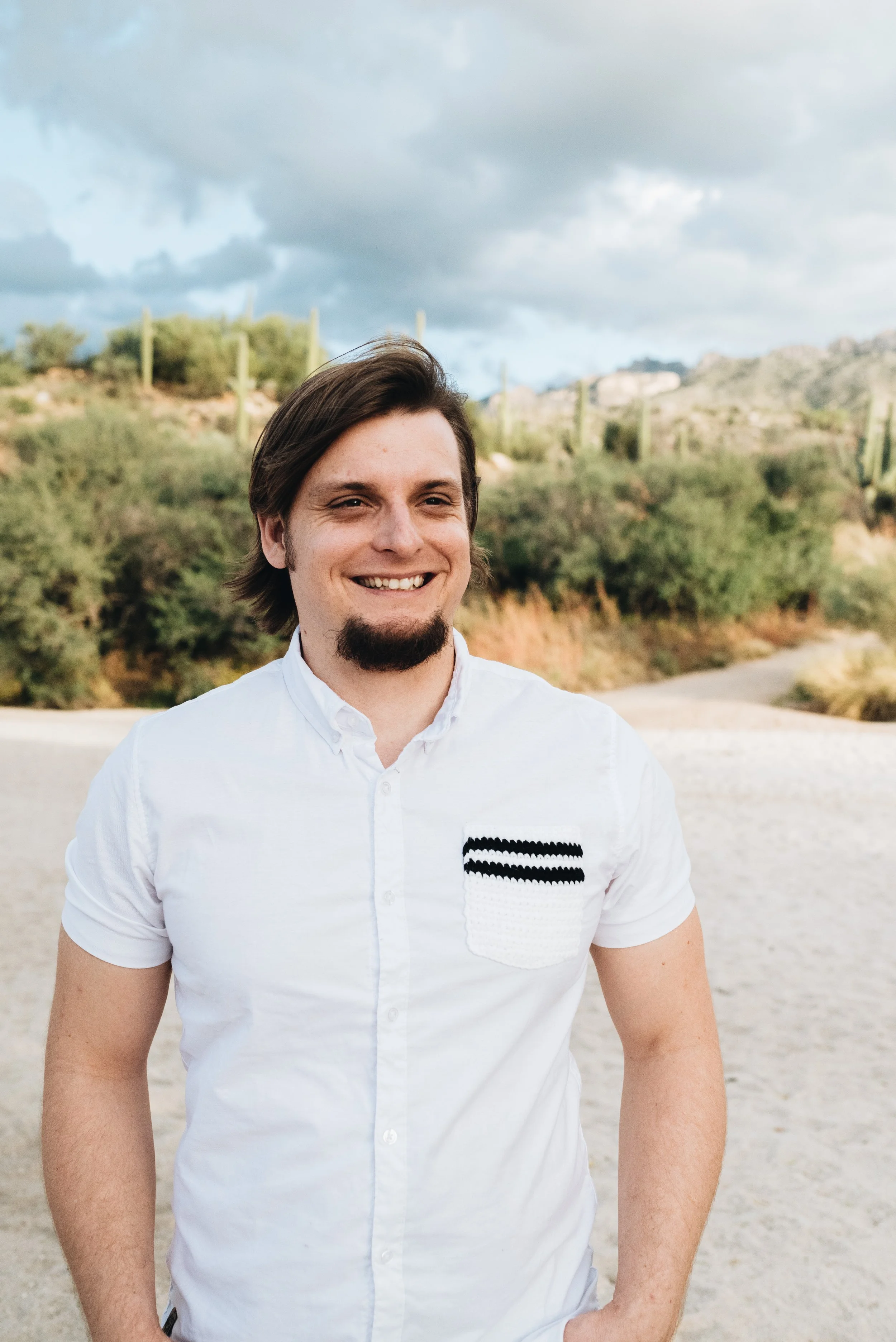
Hi, I’m Dr. Travis Alsky. Welcome to Continuum Integrative Psychiatry!
Modern conventional approaches to mental health rely largely on medication as a “one-size fits all” solution, which is often not effective. In fact, many are harmed by this approach, leading to feelings of betrayal and exacerbation of existing trauma. But medication itself isn’t the problem, it’s the systemic tendencies that prioritize financial and institutional health over the needs of actual patients. The good news is that it doesn’t have to be this way!
My main goal as a psychiatrist is to meet you where you are at, to help create a shared language for problems, and from here, a process by which healing and “wholeness” can be had. In using an integrative approach that combines comprehensive evaluation, appropriate psychopharmacology, deprescribing, psychodynamic therapy, mindfulness, nutraceuticals and supplements, and western and eastern philosophies of wellbeing and health, we will work along a continuum that honors your values and goals in a journey towards healing.
Treatment Approaches

-
Psychotherapy alone is often the most effective long-term treatment for many mental health conditions. We may work in this sole capacity if you prefer not to take medications, if medications are not indicated, or if you plan to follow a supervised taper protocol.
My approach to psychotherapy is informed primarily by the psychoanalytic and psychodynamic schools. To give a sense, I draw from object-relations theory, ego and self-psychology, emotion-focused approaches, jungian depth psychology, western existentialism, and eastern conceptualizations of mindfulness. This terminology is not necessary to know, but just a reference for those who would be interested.
I aim to work at a deeper level via relational techniques and the recognition of unconscious processes to reach underlying “psychological structures”, or patterns that may otherwise go unnoticed and unaddressed by cognitive or behavioral approaches. In this model, symptom reduction, as well as lasting change and alleviation of the cause of psychiatric symptoms is possible.
While many approaches to psychotherapy can be open-ended, sometimes a more structured approach is needed. I am a current Columbia Transference-Focused Psychotherapy Fellow and, in addition to general psychotherapy, I am also accepting patients for this structured psychotherapy geared towards promoting lasting personality change.
-
In this approach, we will pursue a combination of thoughtful medication treatments in conjunction with supplements, nutraceuticals, and evidence-based lifestyle changes.
Medications can be immensely helpful, and are often the starting point for those on a path to mental healing. In working in a way that honors personal integrity, medications can be tools that enable deeper engagement in the healing process. Only in rare, but important, circumstances do I see medication management as a permanent treatment, and I do not work in a way where western psychopharmacology will be used as the only treatment modality. Much of our decisions on medications will have to do with a thorough evaluation aiming to take into account symptoms, diagnoses, temperament and personality traits, history of trauma, current stressors, relationships, personal values, beliefs, and overall life context.
Beyond medications, the world of supplements and nutraceuticals can be effectively used to engage biological change. Often times, we may start with these types of interventions.
For many, the goal to get off of medications is a high personal value. If appropriate, I will work with you to ensure a safe taper of medications, including benzodiazepines or sedative-sleep medications. This process may seem daunting, but is possible especially if we are able to find psychotherapies, supplements, and lifestyle interventions that can support the taper or transition. Oftentimes, the biggest component is simply moving at a pace that is physiologically safe and comfortable.
-
Depending on clinical need, we may work together in a manner that utilizes both medications and psychotherapy. This approach has been proven to be more effective than either alone in many studies of different psychiatric conditions. Of course, we may start off in one capacity and morph into a combination of treatments.
These three overarching approaches are simply reference points; we will make decisions in real-time as to what will be most beneficial for your care. The specific recommendations will be made very clear during the evaluation period.